Jana Al Saif
Certificates, creative projects, talents, achievements, and participation in the Mawhiba Programme.
Visit PortfolioDigital Engineering • AI Safety
The digital interfaces presented on this page have been designed and developed since day one of my Web Technologies learning journey. I use HTML , CSS , JavaScript , responsive design , and UI/UX principles to present my academic, professional, and creative projects as clear, accessible, and interactive web experiences.

Coursework for the MSc Software Engineering programme at City St George's, University of London brings together programming, web technologies, object-oriented design, database development, and big data analysis and visualization.
A focused portfolio of medical AI research, clinical model evaluation, hallucination mitigation, safety governance, and responsible validation frameworks.

A dedicated portfolio of clinical systems, workflow engineering, and Nuclear Medicine transformation initiatives—from enterprise integration and workflow visibility to imaging protocol development and diagnostic optimization.

A collection of talent portfolios that documents individual achievements, growth, and success while highlighting each student’s unique academic journey, creative strengths, and future ambitions—aligned with Saudi Vision 2030 and its digital transformation goals.
Certificates, creative projects, talents, achievements, and participation in the Mawhiba Programme.
Visit PortfolioAn academic portfolio presenting his engineering journey, industrial interests, and developing professional identity.
Visit PortfolioA technology-focused portfolio showcasing artificial intelligence, software, robotics, and gifted achievement.
Visit Portfolio
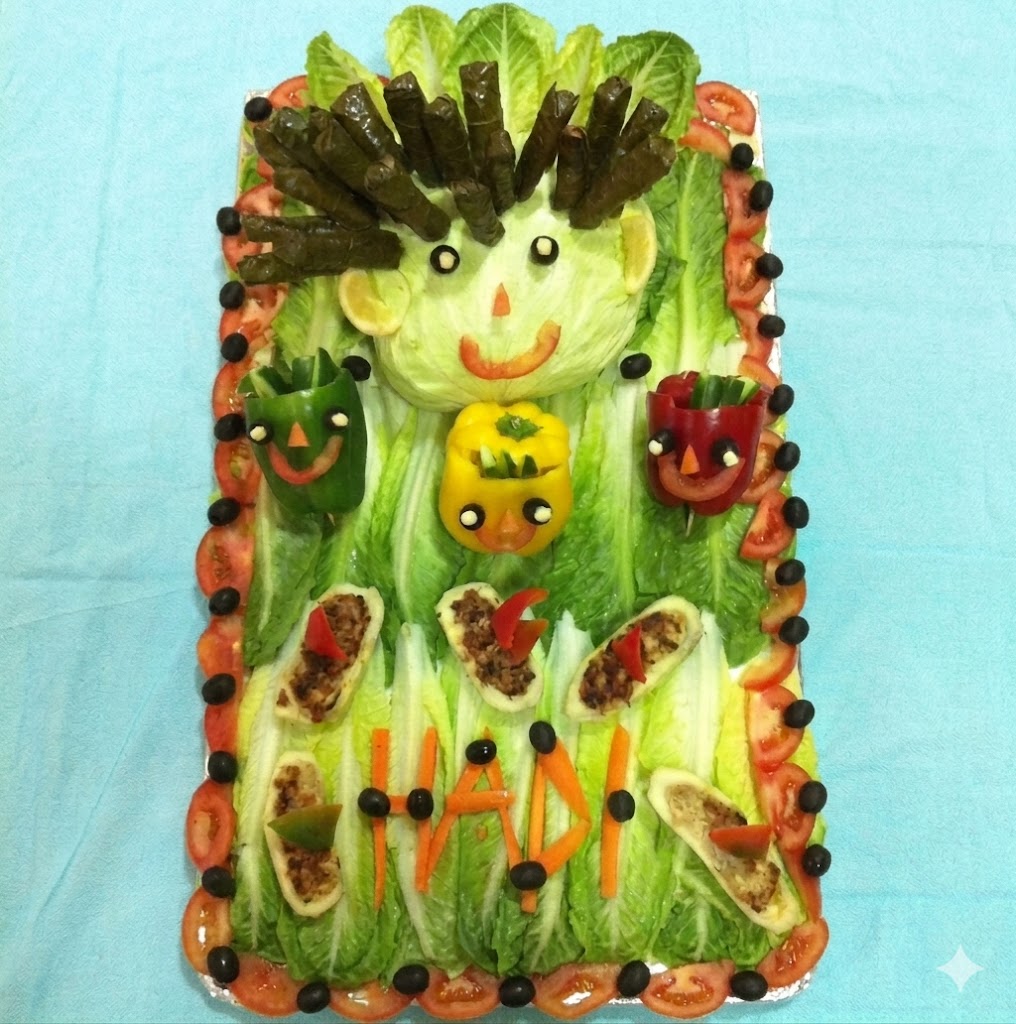
Demonstrating execution of design thinking , visual hierarchy, and UI/UX prototyping paradigms translated into real-world educational modeling. This section showcases advanced leadership and instructional architecture by mentoring early-stage creators to build high-fidelity interactive models and prize-winning nutritional visual assets.